Blood pressure is often treated as a momentary checkpoint. You sit, wrap a cuff around your arm, watch two numbers appear, and move on with your day. The problem is not the measurement itself. The problem is what gets lost after the reading. Those numbers describe how your cardiovascular system behaves under pressure, how your blood vessels respond to stress, and how your organs cope with long-term strain. When interpreted well, they offer a preview of risk years before symptoms or diagnoses appear.
This article focuses on what your blood pressure values reveal about your health, how to read them as trends rather than isolated data points, and how to use that understanding to make better decisions long before medication or intervention becomes necessary.
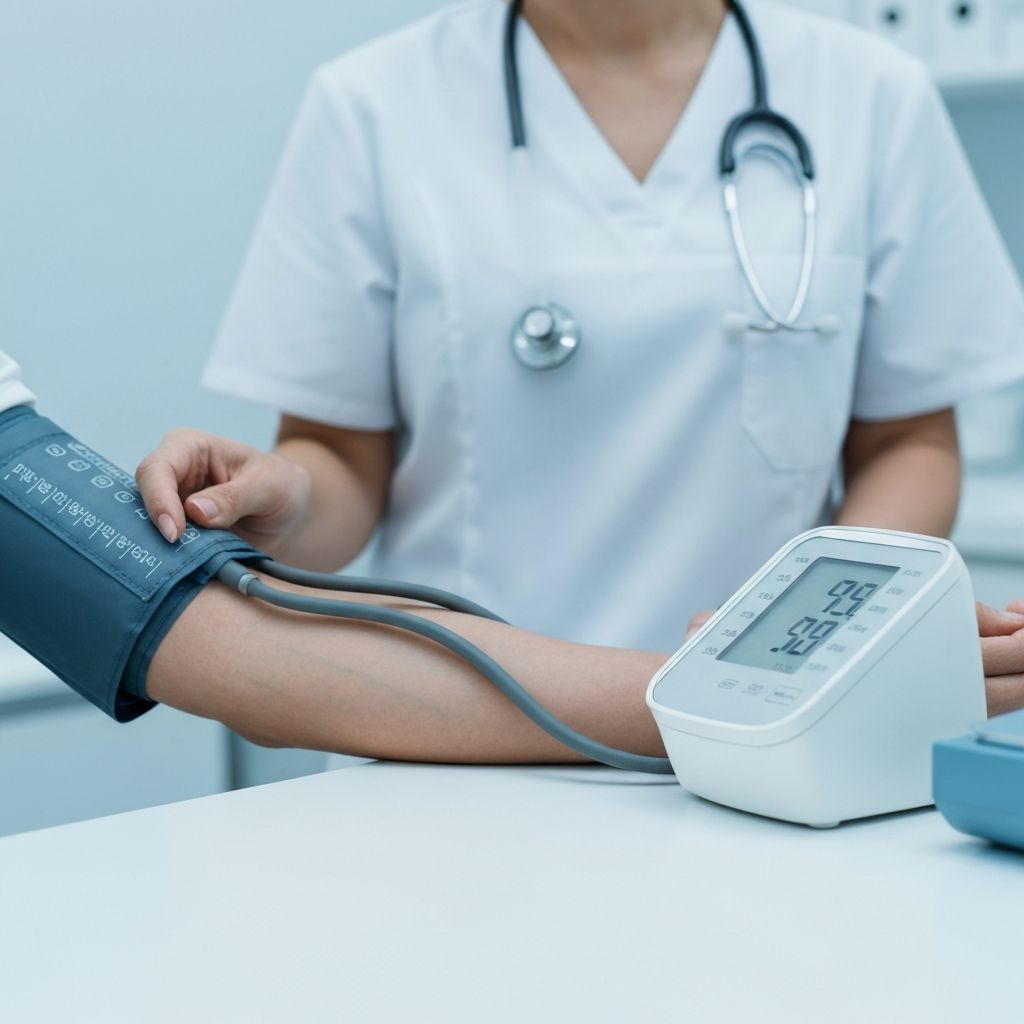
Why Blood Pressure Matters Even When You Feel Well
High blood pressure is known as a silent condition for a reason. Most people with elevated readings do not experience pain, discomfort, or clear warning signs. The absence of symptoms does not mean the absence of impact. Persistent pressure inside arteries causes gradual changes in vessel walls. Over time, those changes affect blood flow to the heart, brain, kidneys, and eyes.
From a clinical perspective, blood pressure acts as an early risk signal. It often shifts long before more visible markers such as heart disease, stroke, or kidney impairment emerge. That lead time creates an opportunity. When you understand what your readings indicate, you can respond with lifestyle changes, monitoring strategies, and informed discussions with your clinician while the system still has room to adapt.
Understanding the Two Numbers on the Screen
Every blood pressure reading is written as systolic over diastolic. Each number represents a different phase of the heart's work cycle.
Systolic pressure is the top number. It reflects the force in your arteries when the heart contracts and pushes blood forward. Elevated systolic values are strongly linked to heart attack, stroke, and damage to large blood vessels. With age, this number often rises as arteries lose flexibility and become stiffer.
Diastolic pressure is the bottom number. It measures the pressure in your arteries when the heart relaxes between beats. Higher diastolic values often appear earlier in adulthood and suggest increased resistance in smaller blood vessels.
Both numbers carry clinical meaning. A normal diastolic value does not offset a high systolic reading. Risk assessment always looks at the pair together, then places them in the context of your age, medical history, and other test results.
Blood Pressure as a Range, Not a Label
Many people think in terms of "normal" versus "high." In practice, blood pressure sits on a spectrum.
Lower readings often indicate flexible blood vessels and efficient heart function.
Mid-range elevations can signal early vascular changes or lifestyle influence.
Sustained higher values increase the likelihood of long-term cardiovascular events.
A single reading is a snapshot. Patterns over weeks and months tell the story. Clinicians look for trends such as gradual upward drift, wide daily variation, or consistent elevation across different settings. Those patterns often matter more than one isolated number recorded during a stressful clinic visit.
Why Your Readings Change Throughout the Day
Blood pressure responds to both physical and psychological input. Exercise, caffeine, hydration, sleep quality, emotional stress, illness, and even temperature can shift readings.
Many people experience higher values in clinical settings, a response often linked to anxiety. This is known as the white coat effect. Home monitoring can reveal lower baseline levels and clearer daily patterns. That combination of clinic and home data helps clinicians separate temporary spikes from persistent elevation.
If you track your numbers, consistency in timing and posture matters. Sitting quietly for a few minutes, keeping your arm at heart level, and measuring at the same time of day improves the reliability of your data.

How Age Reshapes Blood Pressure Risk
Blood pressure patterns evolve over a lifetime. In younger adults, elevated diastolic pressure often appears first as blood vessels resist flow. In later decades, systolic pressure tends to rise as arteries stiffen and lose their ability to expand with each heartbeat.
These shifts change the way clinicians assess risk. A reading that carries modest concern at age thirty may hold more weight at age sixty. The key is not just the number itself but how it moves over time. Long-term trends provide insight into how your vascular system is aging.
The Link Between Blood Pressure and Organ Health
High blood pressure affects more than the heart. It places stress on multiple systems at once.
The kidneys filter blood through delicate networks of tiny vessels. Sustained pressure can damage these filters, leading to reduced function over time. The eyes rely on fragile blood vessels that are vulnerable to prolonged strain, increasing the risk of vision problems. In the brain, elevated pressure raises the likelihood of vessel blockage or rupture, both of which can result in stroke.
These changes often develop gradually. Blood pressure interpretation offers one of the earliest windows into how your organs are coping with daily cardiovascular load.
Common Misconceptions That Blur Understanding
Several beliefs continue to undermine accurate interpretation.
Feeling healthy does not mean your pressure is in a safe range. Occasional high readings should prompt observation rather than dismissal. Medication does not replace the role of movement, nutrition, sleep, and stress management. A normal reading today does not guarantee stability next year.
Understanding these limits helps you avoid both false reassurance and unnecessary panic. Blood pressure is a dynamic measure that reflects ongoing interaction between biology and behavior.
Symptoms and What They Really Indicate
Most people with high blood pressure feel no direct symptoms. Headaches, dizziness, or fatigue rarely align reliably with elevated readings. Symptoms become more relevant when pressure drops too low or rises sharply.
Warning signs such as chest pain, breathlessness, vision changes, or confusion call for immediate medical evaluation. For day-to-day awareness, many people use a symptom checker app for adults to track physical sensations alongside their readings. Over time, this creates a clearer picture of what is related and what is coincidence.
Blood Pressure Within the Broader Test Report
No cardiovascular marker stands alone. Blood pressure interacts with cholesterol levels, blood sugar, kidney function, and heart rhythm. A slightly elevated reading carries different meaning in a person with normal metabolic markers than in someone with diabetes or high cholesterol.
This is where context becomes critical. A medical report analysis app for everyday users can help translate lab values and test results into a coherent picture. Seeing how blood pressure fits into your wider profile supports better questions and more productive clinical conversations.
Digital Tools and Preventive Awareness
As home monitoring becomes more common, people collect more data than ever before. Numbers without interpretation can increase anxiety rather than insight. What matters is not just what the reading is, but what it means for your risk trajectory.
Platforms like Ellyra focus on turning raw values into understandable patterns. By combining symptom awareness with medical report analysis, Ellyra helps users see how their blood pressure fits into broader health trends instead of viewing each measurement in isolation. As a digital health app for clear medical information, it aims to support informed follow-up rather than self-diagnosis.

When to Seek Immediate Care
Certain situations call for prompt medical attention.
- Repeated readings far above your usual range
- Sudden spikes paired with chest discomfort or shortness of breath
- Low readings associated with fainting or confusion
- New elevation during pregnancy
Self-interpretation should support, not replace, professional evaluation. The goal is early action, not delayed care.
Turning Understanding into Daily Practice
Blood pressure insight only becomes useful when it guides behavior. Small, consistent actions often produce measurable changes.
Regular movement supports vessel flexibility. Balanced meals influence vascular tone and metabolic health. Sleep affects hormonal systems that regulate pressure. Stress management reduces sustained elevation.
Tracking readings alongside these habits allows you to see which changes move your numbers in the right direction. That feedback loop transforms abstract advice into concrete results.
What Clarity Really Offers
Interpreting blood pressure turns a routine measurement into a planning tool. You gain awareness before damage becomes visible. You adjust habits with data rather than guesswork. You approach clinical visits with sharper questions and clearer priorities.
Health platforms such as Ellyra reinforce this shift by helping people understand trends across reports, symptoms, and daily readings. The value lies not in producing more numbers, but in making those numbers meaningful.
Preventive heart health starts with clarity. When you know what your blood pressure numbers actually mean, you move from passive monitoring to informed, forward-looking care.